



VW ID. Buzz: US launch delayed
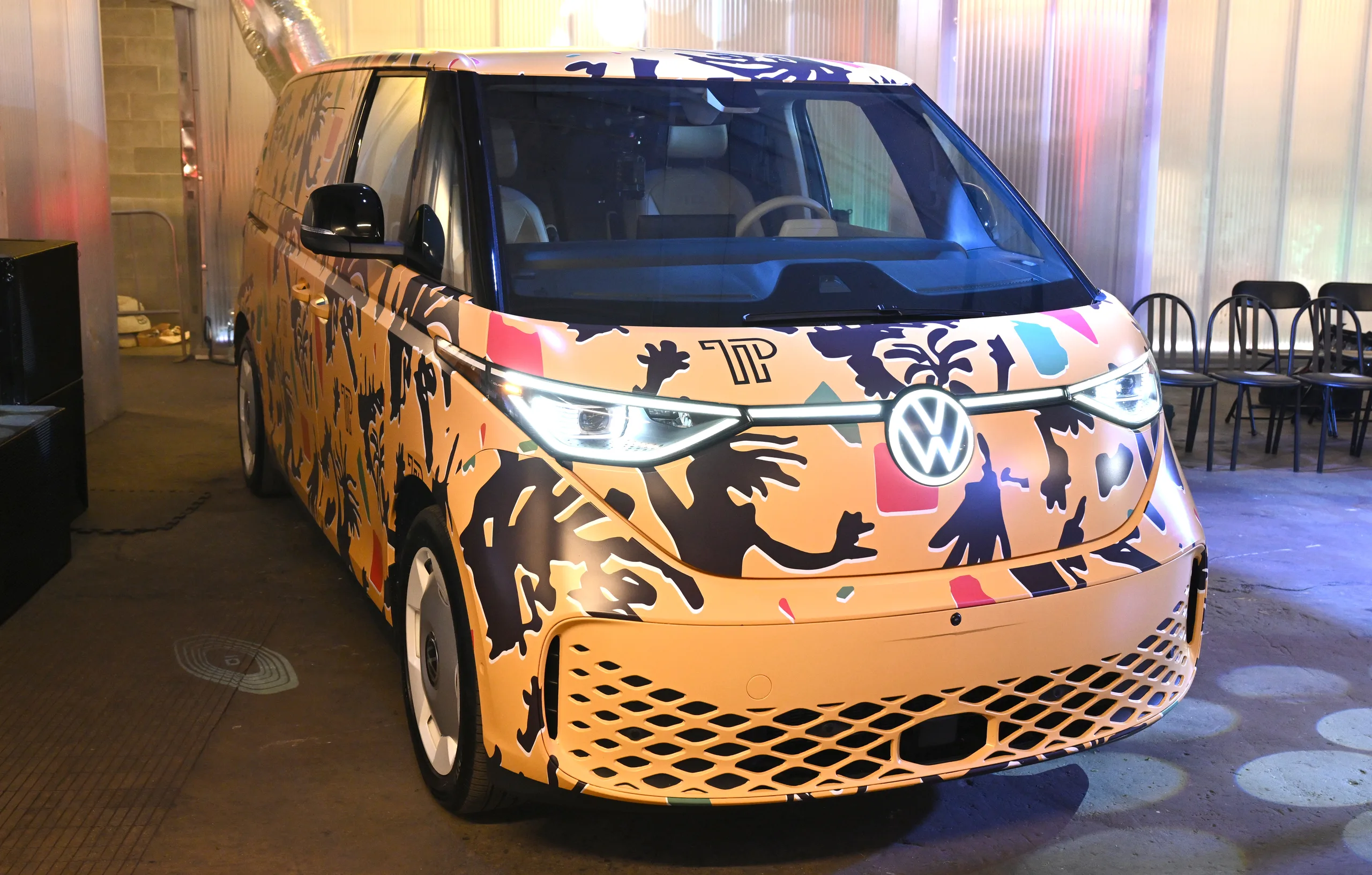
Volkswagen has revised the timeline for the ID. Buzz launch in the US. Deliveries of the electric van have been delayed and are now officially scheduled for the 2028 model year. Here are the key points about the electric VW van:
- available exclusively in the long-wheelbase (LWB) version, with seating for up to seven
- larger 91 kWh battery paired with rear-wheel drive (282 hp) or all-wheel drive (335 hp)
- delayed until 2028 to align with US demand and production schedules
VW ID. Buzz specifications
For the US market, Volkswagen is using a version of the ID. Buzz built on its MEB platform. While the shorter version is also available in Europe, North America will get only the version that is 9.8 inches longer. It has room for a larger 91 kWh battery (85 kWh usable), intended to meet US drivers' greater range needs. Buyers can choose between a rear-wheel-drive model with 210 kW (282 hp) and a dual-motor all-wheel-drive model with 250 kW (335 hp). The revised production schedule pushes the planned wider rollout to the 2028 model year.
Delay in the family EV segment
The revised timeline reflects the changing pace of EV adoption in North America. Volkswagen faces competitors in the three-row electric family vehicle segment, including the Kia EV9 and Hyundai Ioniq 9, which are already on the market or set to arrive soon. The delay means the ID. Buzz will take longer than expected to contribute significant volume to Volkswagen's US sales. Imported vehicles also face pressure on profitability because US tax incentives are increasingly tied to domestic production.
Bron(nen)
 Add as a preferred source on Google